



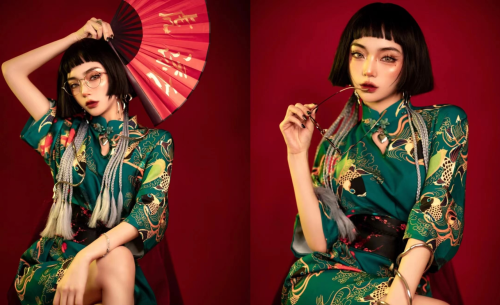
In the ever-evolving world of fashion, where innovation meets heritage, a new wave is redefining the global narrative: the "New Oriental Aesthetics". At the heart of this movement stands a striking, unmistakable hue—Chinese Red. Once rooted in imperial courts and Lunar New Year rituals, this rich, symbolic color has surged from tradition into high fashion, becoming a powerful statement on runways from Paris to New York.
What Is “New Oriental Aesthetics”?
The term refers to a contemporary reinterpretation of East Asian visual language—particularly Chinese—through a modern, global lens. It merges time-honored motifs, fabrics, silhouettes, and philosophies with bold innovation and international flair. Think flowing Hanfu-inspired drapery reimagined in minimalist cuts, or intricate embroidery paired with sustainable, tech-forward materials.
At the core of this aesthetic revival lies cultural pride, artisanal craftsmanship, and a desire to tell stories through texture, tone, and symbolism.
Chinese Red: More Than a Color
Chinese Red, known historically as "Zhusha Red" (朱砂红) or "Imperial Vermilion", is not just a pigment. It's a cultural signifier—evoking luck, vitality, celebration, and power. In recent seasons, this commanding color has become a focal point in both ready-to-wear and haute couture collections. But its ascent is no coincidence. It represents the convergence of East and West, heritage and futurism.
Designers like Guo Pei, Angel Chen, and Uma Wang have championed this shade, often using it as a visual anchor to blend eastern opulence with western structure. In Guo Pei’s collections, Chinese Red envelops lavish capes and gowns embroidered with imperial dragons and phoenixes, turning the runway into a palace of visual storytelling.

Why It’s Resonating Globally
1. Cultural Confidence in China’s Youth
A new generation of Chinese creatives and consumers is confidently embracing their roots. With China's rise in global influence, there is an increasing appetite for homegrown aesthetics that reflect personal and national identity.
2. The Power of Symbolism in Uncertain Times
In a post-pandemic world, consumers are gravitating toward fashion that offers meaning and grounding. Chinese Red, with its historical associations of protection and prosperity, resonates deeply in today’s uncertain climate.
3. Luxury Brands Are Listening
International houses like Valentino, Dior, and Louis Vuitton have taken note. Chinese New Year capsule collections no longer just feature red for its marketability; they now incorporate Chinese artists, calligraphy, traditional dyeing techniques, and mythology—pushing collaborations beyond tokenism toward genuine aesthetic integration.
Beauty Goes Bold: Red Reigns Beyond the Catwalk
The beauty industry has also seen a resurgence of classic red in lipsticks, nail polishes, and blush palettes—but with a twist. Brands such as Perfect Diary, Florasis (Hua Xizi), and Shiseido have introduced makeup collections inspired by Tang dynasty murals, imperial lacquerware, and peony gardens, all drenched in refined reds.
Meanwhile, editorial looks from Vogue China and Elle Singapore feature bold red eye makeup paired with jade-toned shadows and porcelain finishes—a nod to both classical Chinese opera and futuristic minimalism.
What This Means for the Fashion & Beauty Industry
- Local Luxury, Global Vision: The rise of New Oriental Aesthetics suggests that regional identity is no longer a niche—it’s the new luxury. Brands must collaborate authentically with Asian creatives, artisans, and historians to stay relevant.
- Color as Narrative: The success of Chinese Red proves that color can carry culture. Brands should lean into storytelling through hues—especially those with historic depth and cross-cultural resonance.
- East-to-West Influence: While Western fashion has long influenced the East, the tide is turning. Designers and beauty houses should watch for more trendsetting from Asia—not just as a consumer base, but as a cultural origin point.
Anime-Inspired Beauty: How Japanese Cartoons Shape Global Makeup Trends
From vibrant eyes to ethereal skin, Japanese anime has transcended its entertainment roots and now plays a leading role in shaping global beauty standards.
Beauty Influencers vs. Dermatologists: Who Should You Trust?
In today’s digital world, the line between expert advice and popular opinion is blurrier than ever—especially in the beauty industry.
Edible Beauty: Do Collagen Gummies Really Plump Your Skin?
Among the rising stars in this edible beauty movement are collagen gummies—a sweet, convenient promise of plumper, more youthful skin.