



For decades, Chanel represented the pinnacle of high fashion—its classic flap bags and No. 5 fragrance synonymous with timeless elegance. However, the hefty price tags, often reaching upwards of \$10,000 for a single handbag, are becoming less appealing to a generation that prizes versatility over display.
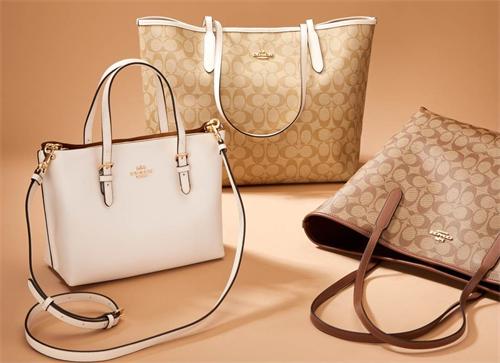
Enter Coach—once dismissed as a “mall brand,” now revitalized with sleek marketing, Gen Z-friendly collaborations, and refreshed design language under the creative direction of Stuart Vevers. With price points starting around \$300 to \$600, Coach offers what millennials increasingly seek: affordable luxury without the pretense.
The Economic Reality Check
While the average millennial is more financially stable than in previous years, the 2008 financial crisis, soaring student loans, and pandemic aftershocks have shaped a cautious spending mindset. Shelling out a small fortune for a single item feels tone-deaf, especially amid growing inflation and economic instability.
Coach, by contrast, offers a middle ground—a taste of luxury that doesn’t require sacrificing rent or savings. “Coach makes me feel fashionable and grown-up,” says Sarah M., a 32-year-old marketing manager from Chicago, “without the guilt of overspending.”
Minimalism, Authenticity & the ‘Quiet Luxury’ Trend
Aesthetic values are shifting, too. While flashy logos and high-status symbolism once dominated, the tide has turned toward quiet luxury—refined, logo-light pieces that whisper elegance instead of shouting wealth. This minimalist trend has been championed in shows by The Row, Loro Piana, and yes, Coach.
Coach’s tabby shoulder bag, with its clean lines and soft leather, has become a new icon for modern luxury—a subtle badge of style that aligns with authentic self-expression rather than elite aspiration.
Digital-First and Inclusive Branding
Coach's marketing evolution also plays a major role. Recent campaigns feature diverse models, LGBTQ+ influencers, and unfiltered storytelling. The brand is actively engaging its community through TikTok, Instagram Reels, and even secondhand platforms, tapping into the values of accessibility, diversity, and sustainability.
Compare that to Chanel’s tight control over branding and its notoriously unwelcoming in-store experience, and it’s clear why younger shoppers are finding Coach more relatable—and enjoyable—to engage with.
Sustainability Matters
Millennials are increasingly scrutinizing where and how their fashion is made. Chanel, though unmatched in craftsmanship, has been slower to highlight its sustainability efforts. Coach, meanwhile, has taken visible steps with its Coach (Re)Loved program, promoting circular fashion and offering trade-ins for pre-loved bags.
In an age where eco-consciousness is no longer optional but expected, brands that prioritize ethical production and environmental responsibility earn long-term loyalty.
The New Status Symbol: Self-Awareness
Ultimately, millennials are reframing what it means to “make it.” For many, it’s no longer about broadcasting affluence, but about aligning purchases with values, purpose, and lifestyle.
Coach fits into this narrative seamlessly—it’s a brand that has learned to listen, adapt, and connect. While Chanel remains a cultural icon, Coach is becoming a millennial favorite not by chasing clout, but by offering quality, authenticity, and relevance.
The luxury landscape is no longer defined solely by heritage and price—it’s being reimagined by a generation fluent in digital culture, global challenges, and self-aware style. As millennials continue to reshape the rules, Coach’s renaissance signals a larger shift in the fashion and beauty industry: where the new luxury is not just about what you wear, but why you wear it.

Marketing vs. Science: Which Skincare Ingredients Truly Work?
As consumers, it can feel overwhelming and even confusing when trying to figure out what truly works versus what’s simply a marketing ploy.
African Wax Prints Go High Fashion: Designer Collaborations to Watch
African wax prints—also known as Ankara or Dutch wax prints—have long been a staple in African fashion, celebrated for their vivid patterns, storytelling motifs, and cultural pride.
How Sub-Saharan African Women Have Cared for Their Hair for Generations
Across the rich and diverse landscapes of Sub-Saharan Africa, hair has never been just hair.